
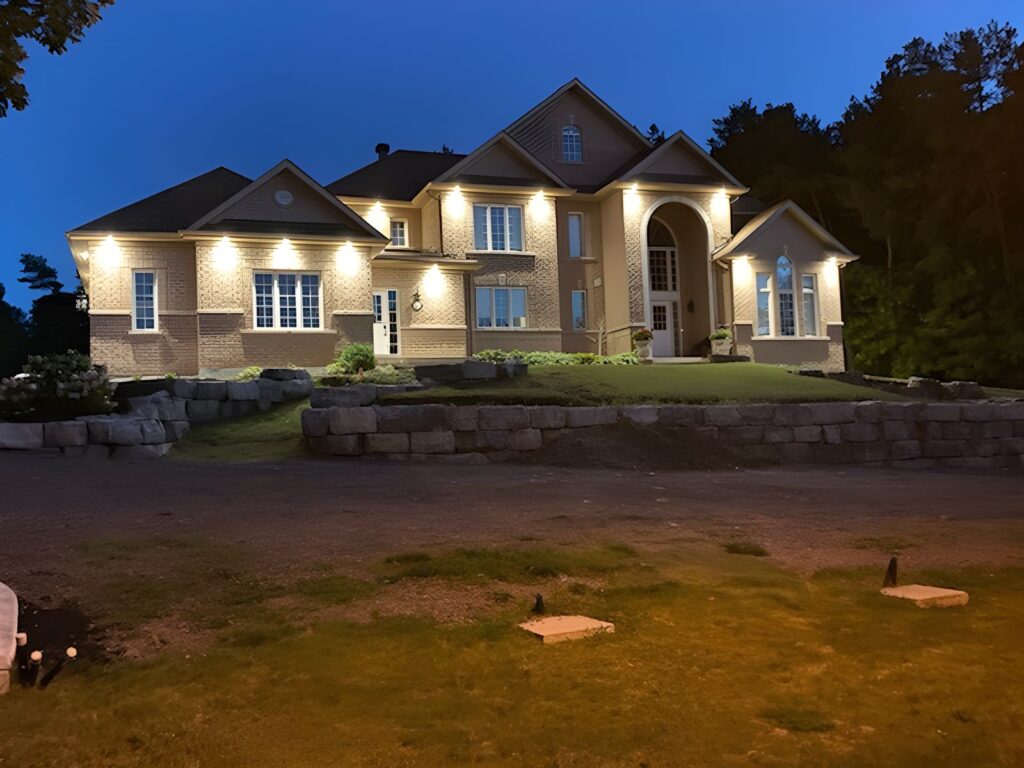
When it comes to modern lighting solutions, both can lights and recessed lights offer a sleek and functional option for illuminating indoor and outdoor spaces across Toronto & GTA. While these two terms are sometimes used interchangeably, they represent slightly different approaches to lighting design. For homeowners considering exterior lighting upgrades, it’s essential to know the differences between these options to select the best fit for your unique space.
At Outdoor Potlights Canada, we specialize in exterior and outdoor pot light installations, helping to bring energy-efficient, stylish lighting solutions to homes across Toronto & GTA. Let’s dive into the details of can lights and recessed lights, so you can make an informed decision for your home’s next lighting project.
What Are Can Lights and Recessed Lights?
Can Lights are named for their “can-like” shape. These lights have a cylindrical housing that’s often inserted into ceilings or walls. The housing unit holds the bulb within a “can,” providing a focused light source while keeping most of the fixture concealed. Can lights are generally designed for focused task lighting and are popular in areas where a concentrated light is desired, such as kitchens, bathrooms, and certain outdoor spots.
Recessed Lights refer more broadly to any light installed within a ceiling, soffit or wall cavity. Recessed lighting is designed to blend well into the surface, creating a clean, modern look. These lights may include the cylindrical can-style housing or, in more modern models, a canless design where the light itself is installed directly into the ceiling without the extra bulk of a housing unit. Recessed lighting is ideal for homeowners looking to light up a room evenly, as it offers various trim options, styles, and designs to fit different lighting needs.
Key Differences: Can Lights vs. Recessed Lights
While both can lights and recessed lights can deliver attractive, beautiful lighting, they each have unique features and applications.
1. Installation Options
- Can Lights: The housing of can lights allows them to be installed in ceilings, walls, or even floors, though they are most commonly seen in ceilings. The cylindrical “can” is mounted in a hole in the surface and connected to the wiring behind the wall or ceiling, making installation straightforward in many cases. These lights may protrude slightly from the ceiling depending on the design.
- Recessed Lights: Typically installed in the ceiling, recessed lights include more options, such as “canless” designs, which offer a slimmer profile. The canless models are increasingly popular for modern, minimalist styles but require professional installation, especially if retrofitting an existing structure. Canless lights connect directly to the wiring and usually don’t require full housing, making them ideal for ceilings with limited depth.
2. Lighting Design
- Can Lights: With their noticeable housing, can lights can give a more structured appearance, especially in settings like kitchens or work areas. The housing can sometimes be visible, giving the light a distinctive look.
- Recessed Lights: Offering a more discreet and versatile design, recessed lights can be flush with the ceiling, creating a seamless look. Recessed lighting fixtures come in various trims, such as baffle, eyeball, and reflector trims, each designed for a different effect. This flexibility allows recessed lights to be adapted to a range of lighting needs, whether for highlighting, general lighting, or adding ambiance.
3. Function and Purpose
- Can Lights: Known for their focused beam, can lights are excellent for task lighting. Their directed light makes them popular in kitchens, reading areas, or above work surfaces where focused illumination is needed. They can also be adjusted to highlight specific spots or architectural features.
- Recessed Lights: Recessed lights are generally selected for ambient or general lighting, as they can light up entire rooms without creating harsh shadows. Their wide range of trim styles makes them adaptable to different functions. For example, baffle trims reduce glare, reflector trims enhance brightness, and wall-wash trims can highlight artwork or architectural elements.
4. Energy Efficiency and Bulb Types
- Can Lights: Often compatible with LED bulbs, can lights can be a good energy-efficient choice. Some can lights, however, may use halogen or incandescent bulbs, which consume more energy. Modern can lights increasingly accommodate LED bulbs, which are long-lasting and energy-saving.
- Recessed Lights: LED recessed lights are common in today’s market, making them an energy-efficient option for ambient lighting. LED recessed lights also generate less heat, which reduces the risk of overheating and makes them safer for long-term use in insulated ceilings.
Choosing the Right Lighting for Your Space
Deciding between can lights and recessed lights depends largely on your space, lighting needs, and style preferences. Many homeowners across Toronto ask about things to consider when choosing the right light. Here are some tips to help with your decision:
- Consider the Function of Each Room: If the room requires focused, directional light (like a kitchen or bathroom), can lights may be ideal. For a living room, hallway, or other larger space, recessed lights with a wide trim variety can create balanced, comfortable lighting.
- Evaluate Your Ceiling Space: For ceilings with limited depth, canless recessed lights may be a practical solution. However, in spaces where the ceiling height is more accommodating, can lights with larger housings may be suitable, offering added flexibility in lighting direction and coverage.
- Energy Efficiency Needs: LED lighting options are available for both can and recessed lights. Opt for LED fixtures when possible, as they last longer and consume less energy, saving on electricity bills in the long run.
Most Common Applications for Can and Recessed Lighting
- Kitchens: Can lights are often used for task lighting, focusing light on counters and prep areas. Recessed lights with baffle or reflector trims provide soft, ambient lighting across the room.
- Bathrooms: Can lights work well above mirrors for a focused beam, while recessed lights around the perimeter create balanced illumination.
- Living Rooms: Recessed lighting with adjustable trims, such as wall-wash trims, can highlight artwork or decor. Canless recessed lights provide even ambient light, creating a warm, welcoming feel.
- Outdoors: Outdoor recessed lighting around patios or walkways can illuminate these spaces without obtrusive fixtures. Here at Outdoor Potlights Canada, our exterior pot light installations are perfect for creating a sophisticated look while enhancing safety and functionality.
The Verdict
Choosing between can lights and recessed lights comes down to the specific needs of your space. Can lights offer focused, directional lighting that’s perfect for task areas, while recessed lights deliver broader, even lighting for entire rooms. Whichever option you choose, quality installation is key to achieving both safety and style.
For homeowners in Canada and across the GTA seeking expert outdoor lighting, Outdoor Potlights Canada specializes in exterior pot light installations that bring value and beauty to any home. Our team ensures each installation is professional, efficient, and tailored to your needs. Contact us today at 647-800-1152 for a consultation, and let us help you light up your home’s exterior with style.